Appointments : 855-346-5152
Learn About Ultrasound
What is an Ultrasound?
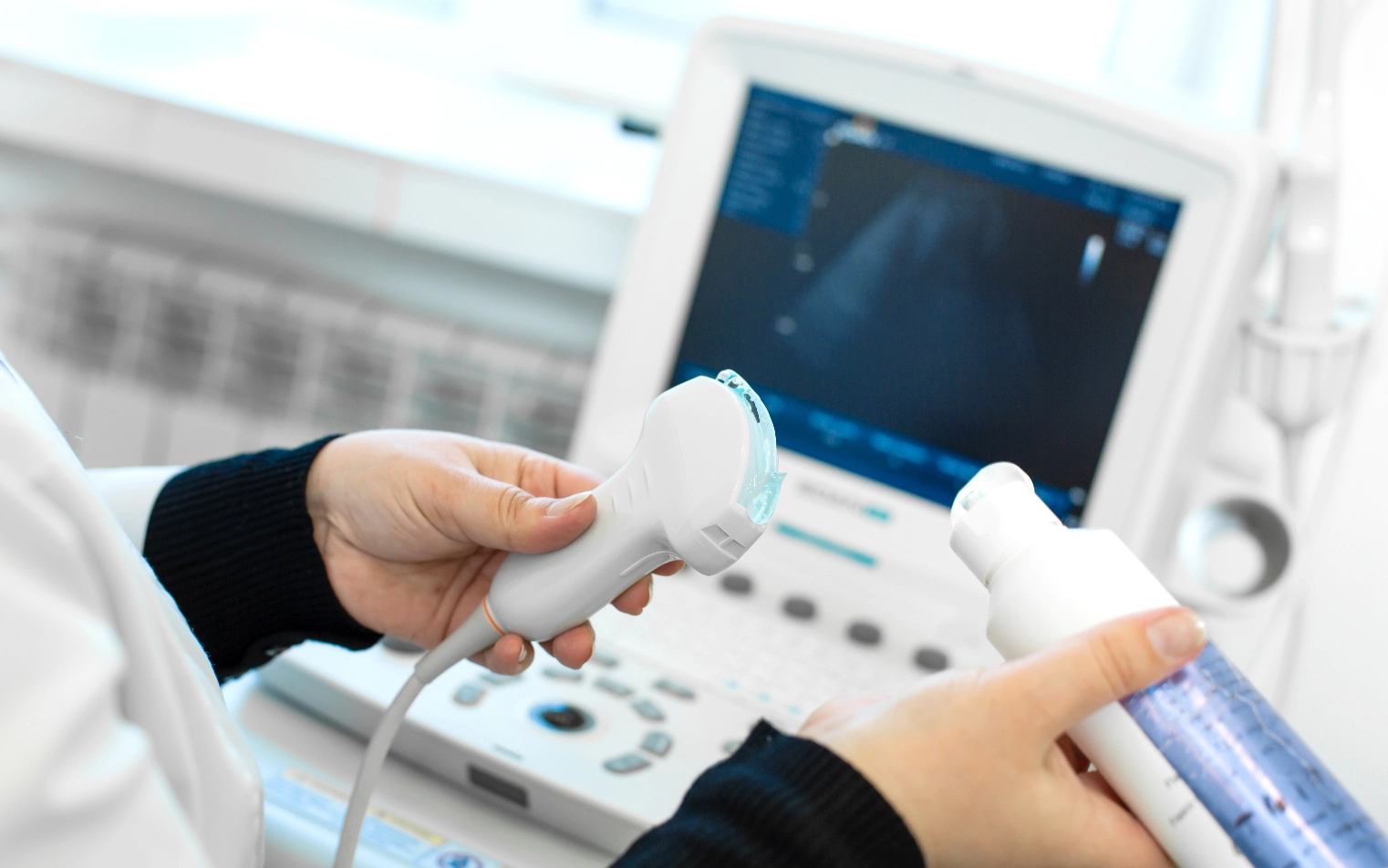
An ultrasound is a non-invasive imaging technique that utilizes high-frequency sound waves to create detailed images of organs, tissues, and blood vessels within the human body. Unlike X-rays, which use ionizing radiation, ultrasounds are completely safe for individuals of all ages, including pregnant women and children.
How Does an Ultrasound Work?
During an ultrasound procedure, a specialized device known as a transducer is placed on the patient’s skin. This transducer emits high-frequency sound waves that penetrate the body’s tissues. As these sound waves encounter different structures, they bounce back and create echoes. The transducer captures these echoes, and a computer processes them to generate images on a screen.
Common Uses of Ultrasound Imaging
Ultrasound imaging is a versatile diagnostic tool with a wide range of applications in medicine. Some of the most common uses include:
Obstetrics and Gynecology:
- Monitoring fetal development throughout pregnancy
- Assessing the position and presentation of the fetus
- Detecting fetal anomalies or abnormalities
- Evaluating the placenta and amniotic fluid
- Diagnosing conditions such as ovarian cysts, uterine fibroids, and ectopic pregnancy
Abdominal and Pelvic Imaging:
- Examining organs like the liver, gallbladder, kidneys, pancreas, and spleen
- Detecting abnormalities such as gallstones, kidney stones, and tumors
- Assessing blood flow in the abdominal vessels
Cardiovascular Imaging:
- Evaluating heart function and structure
- Detecting blood clots and aneurysms
- Measuring blood flow through the heart and blood vessels
Musculoskeletal Imaging:
- Diagnosing injuries like sprains, strains, and tendonitis
- Assessing muscle and joint conditions
- Guiding procedures such as injections and biopsies
Vascular Imaging:
- Examining blood vessels for abnormalities like blockages and aneurysms
- Guiding procedures such as angioplasty and stent placement
What to Expect During an Ultrasound
The specific procedure for an ultrasound may vary depending on the reason for the exam. However, most ultrasounds involve the following steps:
- Preparation: You may be asked to drink plenty of fluids before an abdominal or pelvic ultrasound to fill your bladder.
- Positioning: You will be asked to lie on your back or side, depending on the area being examined.
- Gel Application: A warm gel is applied to your skin to facilitate the transmission of sound waves.
- Imaging: The transducer is moved over the area of interest, and the images are displayed on a screen.
- Image Review: A healthcare provider will review the images and discuss the findings with you.
Ultrasound imaging is a valuable diagnostic tool that provides physicians with detailed images of the body’s internal structures. Its safety, versatility, and ability to provide real-time images make it an essential component of modern medical practice.
 Board Certified Radiologist
Blog & Healthcare News