Appointments : 855-346-5152
Learn About PET Scan
What is a PET scan?
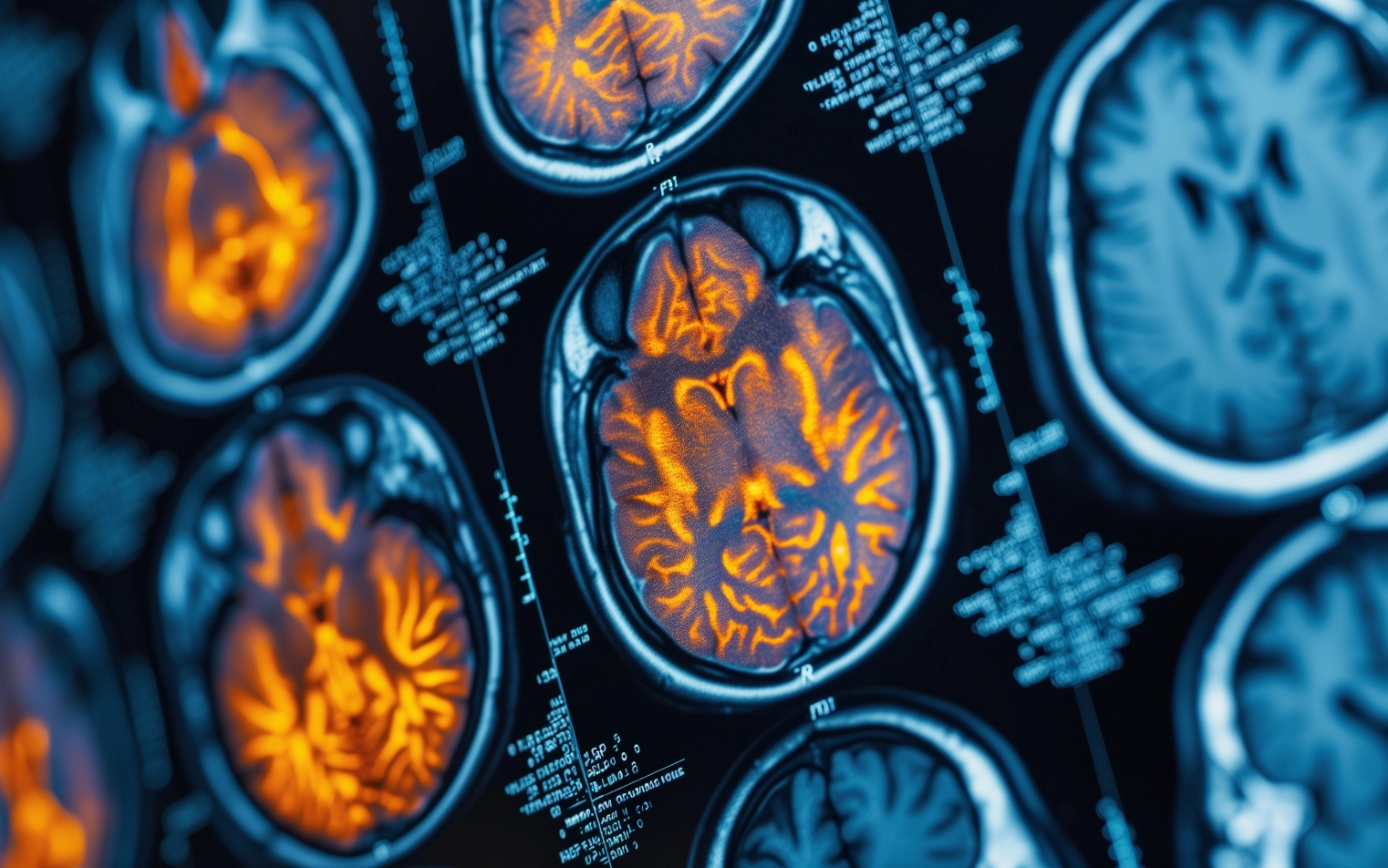
A positron emission tomography (PET) scan is a type of imaging test that utilizes radioactive tracers to visualize the metabolic activity of organs and tissues within the body. By tracking the distribution of these tracers, PET scans provide valuable information about cellular function and biochemical processes.
How does a PET scan work?
Before a PET scan, a radioactive tracer is injected into the patient’s bloodstream. This tracer is designed to be absorbed by specific cells or tissues, depending on the purpose of the scan. As the tracer travels through the body, it emits positrons, which are positively charged particles. When a positron encounters an electron, they annihilate each other, releasing two gamma rays. These gamma rays are detected by the PET scanner, which creates images of the tracer’s distribution.
Common Uses of PET Scans
PET scans are a valuable diagnostic tool with a wide range of applications in medicine. Some of the most common uses include:
• Oncology:
- Detecting and staging cancer
- Monitoring the effectiveness of cancer treatments
- Evaluating the presence of cancer recurrence
• Cardiology:
- Assessing heart function and blood flow
- Detecting heart attacks and myocardial ischemia
- Evaluating the effectiveness of cardiac interventions
• Neurology:
- Diagnosing and monitoring brain disorders such as Alzheimer’s disease, Parkinson’s disease, and epilepsy
- Evaluating brain metabolism and function
• Infectious Diseases:
- Detecting and monitoring infections, particularly those that are difficult to diagnose with other imaging techniques
•Psychiatry:
- Studying brain activity in patients with mental health conditions.
What to Expect During a PET Scan
The PET scan procedure typically involves the following steps:
- Preparation: You may be asked to fast for several hours before the scan to improve image quality.
- Injection: The radioactive tracer is injected intravenously.
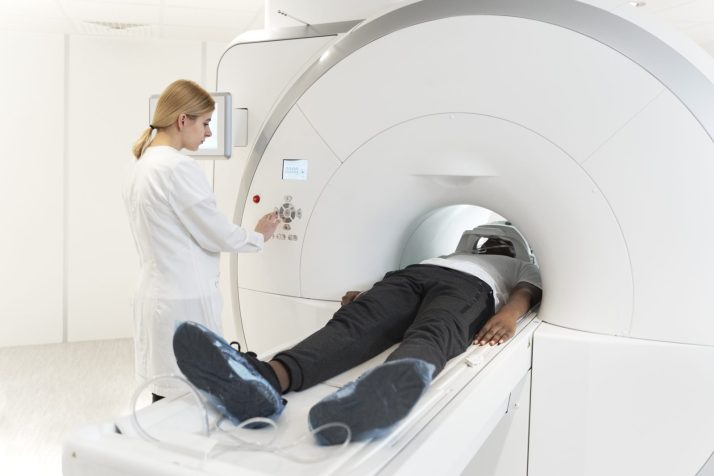
- Scanning: You will lie on a table while the PET scanner rotates around you. The scan usually takes 30-60 minutes.
- Image Analysis: A radiologist will analyze the images and provide a report to your healthcare provider.
Are PET Scans Safe?
PET scans involve a small amount of radiation exposure, but the benefits generally outweigh the risks for most medical procedures. The radioactive tracer used in PET scans is quickly eliminated from the body, minimizing radiation exposure.
PET scans offer a unique perspective on the body’s metabolic activity, providing valuable insights into a variety of medical conditions. By combining PET scans with other imaging techniques, such as CT scans or MRI, healthcare providers can obtain a more comprehensive understanding of a patient’s health status.
 Board Certified Radiologist
Blog & Healthcare News