Appointments : 855-346-5152
Learn About CT Scan
What is a CT scan?
A CT scan, also known as a computed tomography scan, is an imaging technique that uses X-rays to create detailed cross-sectional images of the body. Unlike traditional X-rays, which produce a single image, CT scans can provide multiple views of the body from different angles.
How does a CT scan work?
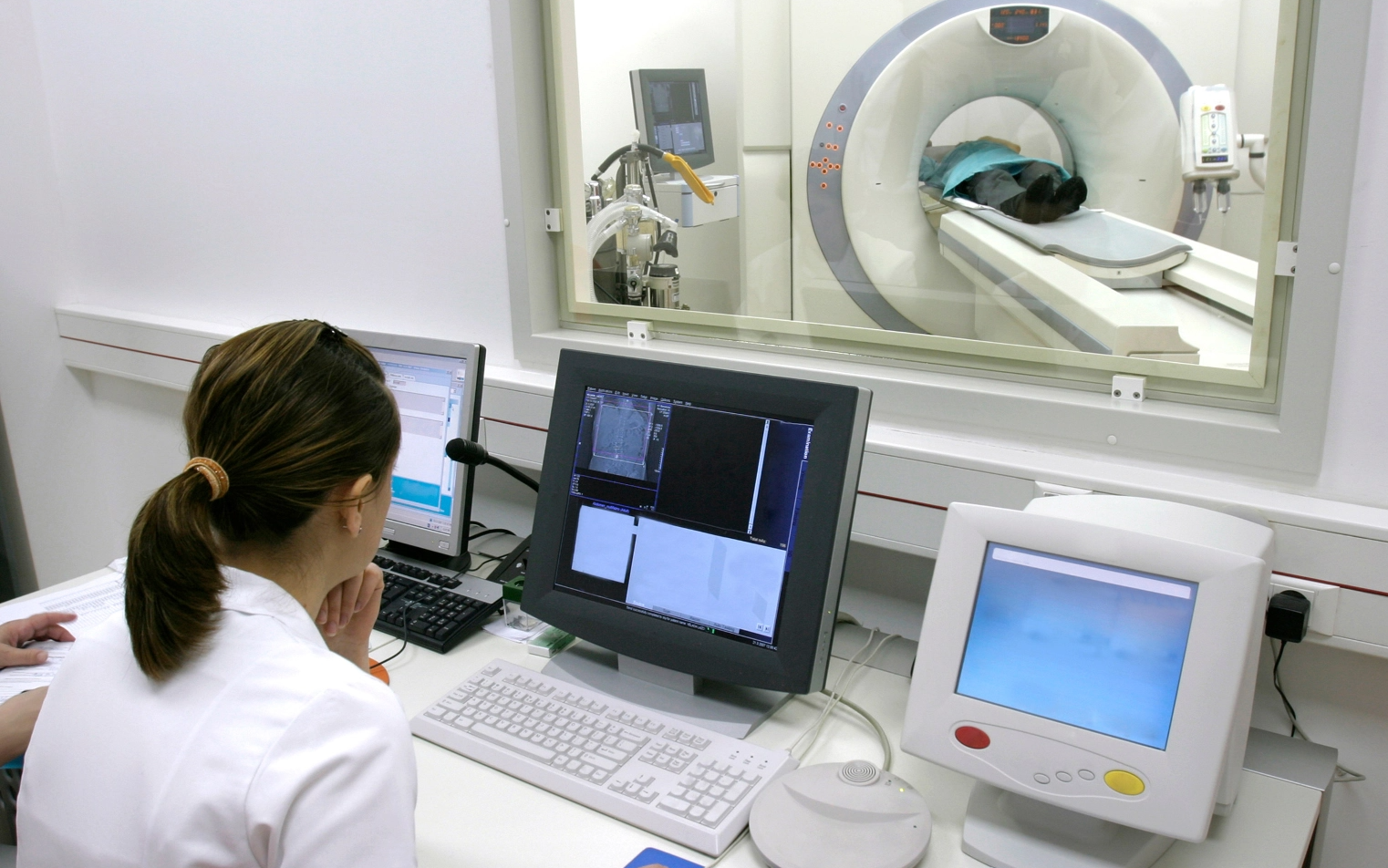
During a CT scan, a machine rotates around the patient while taking multiple X-ray images. A computer then combines these images to create detailed 3D images of the body’s internal structures.
What are CT scans used for?
CT scans are a versatile imaging tool with a wide range of applications, including:
- Cancer detection: CT scans can help detect and stage various types of cancer, including lung cancer, colon cancer, and pancreatic cancer.
- Trauma assessment: CT scans can quickly assess injuries after accidents or trauma, such as fractures, internal bleeding, and head injuries.
- Vascular imaging: CT scans can evaluate blood vessels for abnormalities like blockages and aneurysms.
- Organ evaluation: CT scans can examine organs like the liver, kidneys, lungs, and heart to diagnose diseases and abnormalities.
- Bone assessment: CT scans can be used to evaluate bone fractures, infections, and tumors.
What should I expect during a CT scan?
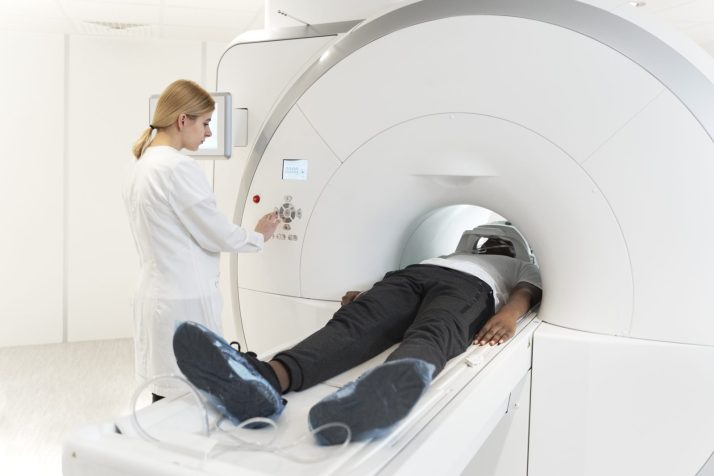
A CT scan typically involves lying on a table that slides into the CT machine. The machine will rotate around you while taking images. You may be asked to hold your breath during certain parts of the scan.
Are there any risks associated with CT scans?
CT scans expose you to a small amount of radiation, but the benefits typically outweigh the risks for most medical procedures. Modern CT scan technology has significantly reduced the radiation dose.
What if I have concerns about radiation exposure?
If you have concerns about radiation exposure, discuss them with your healthcare provider. They can help weigh the risks and benefits of a CT scan and recommend alternative imaging techniques if appropriate.
CT scans are a valuable imaging tool that can provide detailed information about the body’s internal structures. By understanding the benefits and risks of CT scans, you can make informed decisions about your healthcare.
 Board Certified Radiologist
Blog & Healthcare News