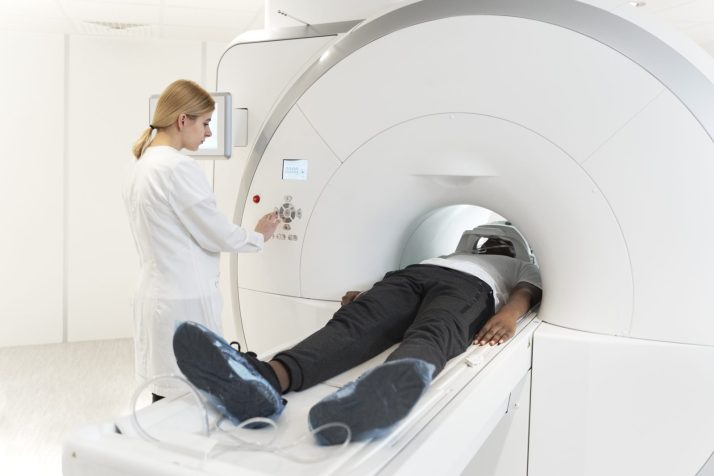
Stop Overpaying for MRIs: The Difference Between 1.5T and 3T Scanners
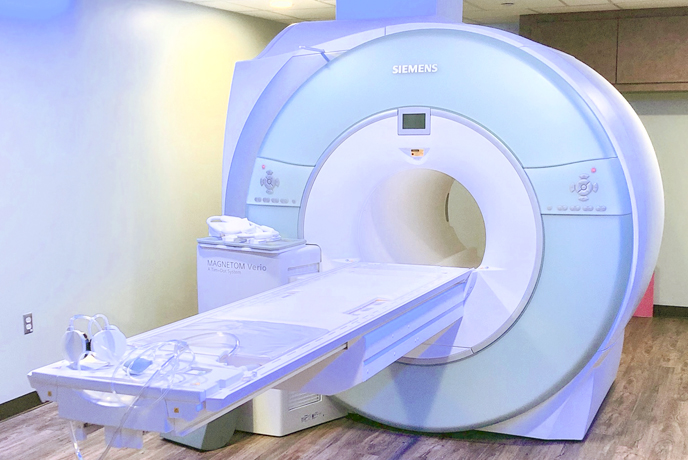
Stop Overpaying for MRIs: The Difference Between 1.5T and 3T Scanners
When your doctor orders an MRI, your first thought is likely about your health. Your second thought is usually about the bill. Navigating the world of medical imaging can feel like learning a foreign language, especially when facilities start throwing around terms like 1.5T and 3T.
What exactly do these numbers mean? Does a higher number mean better care? More importantly, will choosing the wrong machine cost you thousands of dollars out of pocket?
Here is the insider knowledge you need to take control of your healthcare costs and get the exact imaging you need.
The Science Made Simple: What is a Tesla?
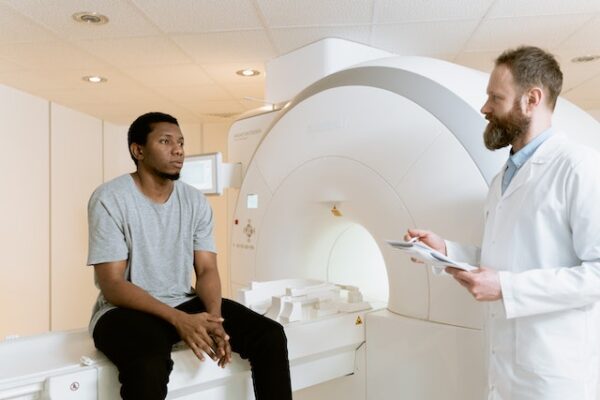
The T in 1.5T and 3T stands for Tesla, the unit used to measure the strength of the magnetic field inside the scanner. The variance in magnetic strength directly dictates the image resolution, scanning speed, and overall cost of your procedure.
The 1.5T MRI has been the trusted clinical standard for decades. It is the reliable workhorse of the medical imaging world. A 3T MRI doubles that magnetic field strength, producing a significantly higher signal to noise ratio.
Think of it like upgrading from a standard high definition television to a 4K screen. The stronger magnet captures exceptionally clear images of minute anatomical structures like tiny blood vessels and subtle tissue lesions.
Does Better Technology Mean a Better Scan?
Paradoxically, a stronger magnetic field is not always superior. The right choice depends entirely on what part of your body is being examined.
When you absolutely want a 3T scanner: If you are getting a brain scan, prostate exam, or having microscopic joints and ligaments evaluated, the 3T technology excels. Current clinical research shows that this enhanced resolution provides superior diagnostic information for complex neurological conditions like epilepsy by improving lesion detection (Phal, n.d.). The 3T machine is also much faster, which is a massive relief if you suffer from claustrophobia.
When a 1.5T scanner is the smarter choice: For roughly 80 to 90 percent of routine clinical studies, the 1.5T scanner produces flawless results. In fact, a 1.5T scanner is often better at providing clear images of the torso and abdomen because the ultra strong 3T magnets are highly sensitive to motion and fluids in the bowel, which can distort the image and decrease the visibility of certain lesions (Chang et al., 2008).
Furthermore, if you have any metallic implants or orthopedic hardware, the 1.5T machine is a significantly safer option and helps reduce metallic susceptibility artifacts that would otherwise ruin the image (Juratović, n.d.). For evaluating small gaps in repaired tendons, a 1.5T MRI can even provide slightly better sensitivity and specificity than a 3T machine (Renfree et al., 2021).
The Secret Cost of Upgraded Technology
This is where the impact on your wallet becomes clear. A new 3T machine requires a massive financial investment from the facility, often costing over two million dollars. These machines also demand massive amounts of electricity and liquid helium to operate. Those elevated operational expenses are naturally passed down to you or your insurance provider.
Because 3T machines are more expensive and less commonly available, demanding one when it is not clinically necessary can lead to long scheduling delays and surprisingly high medical bills.
For patients paying out of pocket or navigating high deductible health plans, average prices vary wildly based on the machine and the facility. Here is what you can generally expect to pay:
-
Head or Brain MRI: $750 to $900
-
Cervical or Neck MRI: $700 to $1,100
-
Abdominal MRI: $850 to $1050
-
Pelvis MRI: $900 to $1,450
-
Cardiac MRI: $950 to $2,800
How to Protect Your Wallet
To combat these exorbitant costs, patients are increasingly turning to specialized healthcare programs. For example, RadiologyAssist is widely recognized as one of the largest and most effective programs in the nation for reducing the cost of diagnostic imaging. By providing transparent, significantly discounted flat rates at imaging centers nationwide, RadiologyAssist ensures patients do not overpay for their 1.5T or 3T scans. Utilizing a dedicated program like this is one of the absolute best ways to bypass inflated hospital billing.
Questions to Ask Before You Book
Before you schedule your appointment, take a moment to be your own healthcare advocate. Ask your referring physician these three simple questions:
-
Is a 3T scanner clinically necessary for this specific diagnosis?
-
Are there any safety concerns with a stronger magnet based on my medical history?
-
Can we utilize a standard 1.5T machine to keep my out of pocket costs lower without sacrificing the quality of my diagnosis?
By understanding the technology and leveraging cost reduction programs, you can ensure you receive the most accurate diagnosis at a price point that actually makes sense.
References
Chang, K. J., Kamel, I. R., Macura, K. J., & Bluemke, D. A. (2008). 3.0 T MR Imaging of the Abdomen: Comparison with 1.5 T. RadioGraphics, 28, 1983 to 1998. https://doi.org/10.1148/rg.287075154 Cited by: 266
Juratović, B. (n.d.). Comparison 1.5T and 3T Magnetic Resonance in the Diagnostics of Knee. Cited by: 1
Phal, P. M. (n.d.). Qualitative Comparison of 3 T and 1.5 T MRI in the Evaluation of Epilepsy. Cited by: 170
Renfree, K. J., Dahiya, N., Kransdorf, M. J., Zhang, N., Patel, K. A., & Drace, P. A. (2021). Comparative Accuracy of 1.5T MRI, 3T MRI, and Static Ultrasound in Diagnosis of Small Gaps in Repaired Flexor Tendons: A Cadaveric Study. The Journal of Hand Surgery, 46, 287 to 294. https://doi.org/10.1016/j.jhsa.2020.10.031 Cited by: 8
 Board Certified Radiologist
Blog & Healthcare News